



Common Cybersecurity Gaps SMEs Need to Fix Now
Cybersecurity is a hotter subject for small business owners than ever before. In fact, just over 4 out of 10 small businesses faced a cyber threat from June 2024 to June 2025. Many owners have moved away from the belief that they are not a plausible target, as cyber criminals increasingly focus their attention on smaller organisations.
While most SME owners now understand that cyber threats are real, many still struggle with two key issues. They do not fully understand why cyber criminals target small businesses, and they are unsure what practical steps they can take to protect themselves. If you are feeling the pressure, the good news is that there are clear and achievable actions you can take to reduce risk and strengthen your defences.
If you’re feeling the pressure, read on for actionable steps to protect your business.
Why SMEs Are Prime Targets for Cyber Attacks
There are several reasons why small and medium sized enterprises are increasingly targeted by cyber criminals.
Large enterprises are now better protected than ever. They have the resources to invest heavily in cybersecurity tools, training and specialist teams, and they are often better prepared to respond quickly when an attack occurs. Cyber criminals understand this and have adjusted their approach. While the potential financial reward from attacking a small business may be lower, the likelihood of success is often much higher. While 94% of SMEs understand the threat of cyber attack, many do not feel that they are in a position to adequately protect themselves, and criminals know that too.

We now live in a world of increased digital dependency. Work behaviour patterns have shifted dramatically since the covid-19 pandemic. Remote working, cloud based systems and a growing reliance on online tools have brought clear benefits to small businesses. However, they have also expanded the number of potential entry points for attackers.
Finally, access to knowledge remains a challenge. Larger organisations can afford regular training and specialist advice. Many small businesses simply do not have the time or resources to invest at the same level, leaving employees less prepared to identify and respond to threats.
So how can SMEs protect themselves in a digital environment where threats continue to evolve?
The Most Common Cybersecurity Gaps SMEs Need to Address
Despite growing awareness, several cybersecurity gaps continue to affect small businesses.
Lack of Employee Cybersecurity Awareness and Training
Phishing attacks, weak passwords, and social engineering remain among the leading causes of data breaches in small businesses. Cyber criminals rely on human error, often targeting employees through convincing emails or messages designed to look legitimate.
Employees are the first line of defence. Without regular training and clear guidance, even well meaning staff can unknowingly open the door to attackers. Building awareness across the business is one of the most effective and affordable ways to reduce risk.
Weak Password Policies and No Multi Factor Authentication
Simple or reused passwords continue to expose SMEs to unnecessary risk. When credentials are compromised, attackers can quickly gain access to email accounts, cloud platforms and sensitive data.
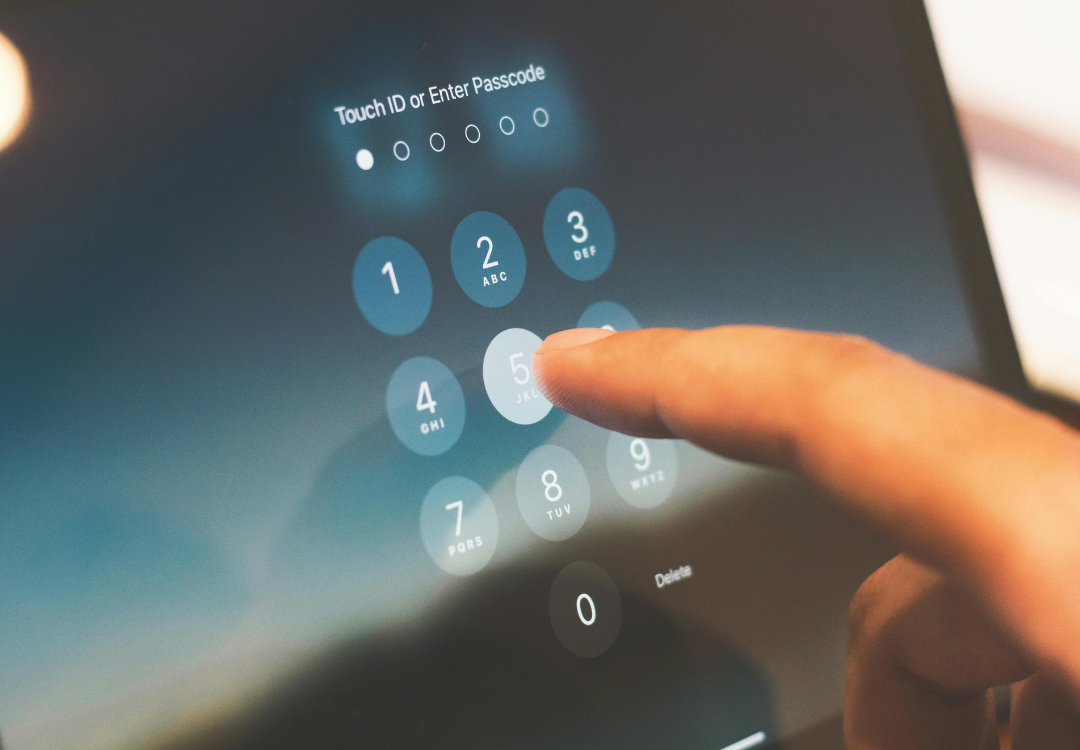
Multi factor authentication significantly reduces the likelihood of account compromise. By requiring an additional verification step, it adds a strong layer of protection even if a password is stolen.
Outdated Software and Unpatched Systems
Failing to update software is one of the easiest ways for attackers to gain access to systems. Cyber criminals actively scan for known vulnerabilities in outdated applications and operating systems.
Legacy systems can be particularly risky for growing businesses. As organisations scale, older technology may no longer receive security updates, creating hidden weaknesses that attackers are quick to exploit.
Inadequate Data Backup and Recovery Plans
Ransomware attacks continue to rise, and the cost of data loss can be devastating for small businesses. Without reliable backups, organisations may face prolonged downtime, financial losses and reputational damage.
Regular and tested backups are essential. Storing copies of data both on site and off site ensures that businesses can recover quickly in the event of an incident.
No Clear Incident Response or Cybersecurity Policy
When a cyber attack occurs, a lack of planning can turn a bad situation into a crisis. Without a clear response plan, businesses may waste valuable time trying to decide what to do, who to contact and how to contain the damage.
The consequences can include financial loss, disruption to operations and long term harm to customer trust. Having clear policies in place helps teams act quickly and confidently when it matters most.
Practical Steps SMEs Can Take to Close These Cybersecurity Gaps
Small business owners are passionate about what they do, taking time to improve their cybersecurity is a must. Here are some methods small businesses owners can take to improve cybersecurity…

SMEs should start with the basics. There are plenty of affordable, high-impact measures that can be taken to defend against cybercrime. Simple steps like multiple-factor authentication (MFA), automatic updates, secure backups, and other automatic procedures can provide a strengthened initial defense line for small businesses. Small businesses can utilise cybersecurity frameworks, such as GOV.UK’s Cyber Essentials scheme, to act as a preventative checklist, allowing you to take core steps to protect your business.
Ensuring that your employees are informed on cyberthreats and, importantly, reinforcing the importance of awareness. Make protecting against cybercrime a cultural element, not just an afterthought. Embed security practices into onboarding and daily operations and take time to train your existing employees. When staff feel responsible for protecting the business, the overall risk is reduced.
Understand that you may need to seek external support. With increased threat comes smarter attacks, there is only so much one business owner can do, especially if tech is not something you regard yourself as an expert of. In the long run, paying for external help could be dramatically cheaper than risking a cyberattack. If you’re feeling unconfident in your defenses, seeking an expert’s opinion is likely a wise step to take. Seeking expert advice or managed support can be far more cost effective than recovering from a serious breach.
Why Fixing Cybersecurity Gaps Is a Competitive Advantage
Strong cybersecurity offers benefits that go beyond protection.
Customers, partners and investors are more likely to trust businesses that take security seriously. Demonstrating good cybersecurity practices builds credibility and reinforces your brand as a reliable and professional organisation.
Providing a strong foundation of cybersecurity also protects your business as you scale. Instead of rushing in reaction to a threat, or implementing it down the line when your business is already larger and more vulnerable, protect your business from the get go and scale with confidence.
Closing Cybersecurity Gaps Before They Become Business-Ending Risks
Cybersecurity is no longer optional for small and medium sized enterprises. By taking proactive steps now, businesses can reduce their exposure to risk and avoid potentially devastating consequences.
If you want to learn more about how SMEs can protect themselves against cyber threats, join us at The Business Show London on the 11th & 12th of November 2026. The show offers access to expert insights, practical guidance and the opportunity to meet cybersecurity providers dedicated to helping small businesses protect what they have built. With everything you need to start or scale your business, make sure to save the date and secure your free ticket.