



Seasonal Spending Patterns: How Half Term and Weather Shape UK Consumer Behaviour
From Rain to Retail: How Weather and School Holidays Drive Consumer Demand
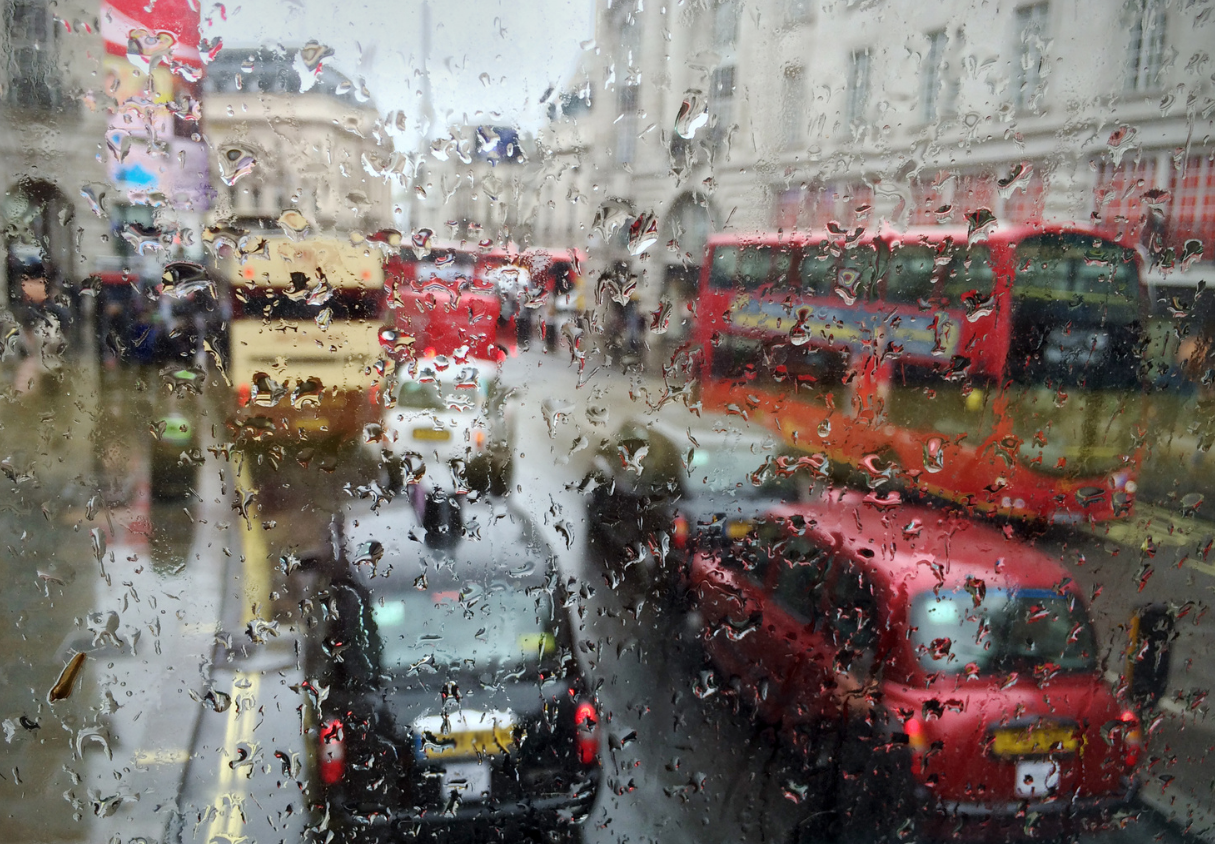
2026 has been a rainy year. In fact, it has been one of the wettest starts to a new year on record, with over 40 days of continuous rain showing no signs of slowing.
Already, we are seeing clear shifts in UK consumer behaviour due to the weather. Retailers are reporting reduced footfall across high streets and shopping centres, while travel agencies are seeing a spike in Brits searching for winter sun holidays and last minute getaways for some respite in the sunshine.
The prolonged rainfall will likely have a lot of UK businesses nervous during this critical Q1 trading period: February half term.
Much like predicting the weather, forecasting consumer spending patterns is never exact. However, analysing seasonal spending trends and identifying proactive actions is a critical step for businesses that have felt the strain of weather-driven demand shifts.
Read on for insight into UK consumer spending trends, the economic impact of half term, and practical steps SMEs can take to manage a volatile Winter trading period.
The Economic Impact of Half Term on UK Consumer Spending
Half term creates a noticeable shift in family routines and spending patterns. Parents, grandparents, teenagers, and children move away from their regular schedules. Work hours flex, childcare changes, and discretionary spending often increases. Household budgets rarely grow during half term. Instead, spending is reallocated and priorities shift.

For many SMEs, half term represents one of the first meaningful consumer demand boosts of the year.
Historically, UK half term spending trends show an uplift in leisure activities, hospitality bookings, domestic travel, entertainment venues, and family attractions. Businesses operating in these sectors often see a short but significant revenue spike during school holiday periods. Whilst experience-led businesses may benefit, routine retail categories can see slower trade unless they adapt their messaging or promotions to align with holiday-driven intent.
This reallocation creates clear winners and losers. Understanding seasonal consumer behaviour is key to an effective marketing strategy in the UK. Businesses expecting a slowdown during half term may need to plan for reduced revenue, manage reserve funds carefully, and use quieter periods to focus on longer term operational tasks.
Businesses anticipating increased demand should allocate sufficient staff, prepare stock levels carefully, and invest time in marketing before and throughout the holiday period to maximise revenue.
How Weather Influences Consumer Buying Decisions in the UK
Weather has always shaped British behaviour. In 2026, its impact on retail sales and consumer demand feels particularly pronounced.
Extended rainfall reduces high street footfall, delays non-essential purchases, and alters shopping frequency. At the same time, certain categories experience demand spikes driven directly by weather conditions.Businesses that understand weather-driven consumer trends are better placed to respond quickly and protect margins.

The Psychology of Weather-Driven Spending
We are more influenced by the weather than we often admit. Whether you prefer Winter or Summer, seasonal conditions shape behaviour in ways businesses clearly feel.
In summer sunshine, impulse purchases increase alongside demand for hospitality, experiences, apparel, and travel. Sunshine is linked with higher discretionary spending.
During prolonged grey weather, consumer psychology shifts. Indoor spending rises. E-commerce strengthens, with growth in gifting, self care products, home comforts, streaming services, and cold and flu remedies.
Mood influences motivation. Motivation drives purchasing behaviour.
The Direct Impact of Weather on Retail Sales Performance
The weather impact on retail sales in the UK is measurable.
Heavy rainfall reduces town centre footfall. Unseasonably mild temperatures can leave seasonal stock stranded. Sudden sunshine triggers spikes in garden furniture, BBQ equipment, and summer apparel. Cold weeks during Summer can leave the same stock unsold by Autumn.
For brick-and-mortar retailers, weather volatility creates inventory planning challenges. Overstocking seasonal lines can erode margins. Understocking during a short-lived surge can mean missed revenue opportunities.
Weather-driven demand forecasting is no longer optional, it is a commercial necessity.
When Half Term and Weather Collide: The Multiplier Effect
When half term coincides with extreme weather, the impact on UK consumer behaviour intensifies. This has been particularly noticeable in 2026.
A sunny half term amplifies spending across attractions, hospitality terraces, and domestic tourism.
A rain soaked school break shifts spending indoors. Cinemas, soft play centres, online retailers, and travel agents selling outbound holidays often benefit.
For SMEs, this multiplier effect can create unexpected growth or sudden pressure. Preparation is usually the deciding factor.
How SMEs Can Forecast Consumer Behaviour More Accurately
Prediction will never be perfect. Consumer behaviour depends on multiple variables. However, businesses can improve accuracy by basing decisions on data, instead of relying purely on conjecture.
Small businesses that combine historical sales data, seasonal trend analysis, and weather forecasting insights are better equipped to anticipate demand fluctuations.
Using Historical Sales Data to Predict Half Term Trends
Your most valuable forecasting tool is your own sales history. Past performance provides insight into your specific customer base and half term spending patterns.
Identifying patterns in revenue, demand, stock, promotion, and e-commerce versus in-person sales should enable you to forecast. However, remember to keep this as an ongoing process.
Integrating Weather Forecasting Into Business Strategy
Weather data is widely accessible and increasingly integrated into retail analytics platforms. Monitoring forecasts as part of business strategy enables you to adjust staffing, reposition marketing spend, promote relevant products, and plan timely offers.
Agile Marketing Strategies for Seasonal Consumer Shifts
Agility can define a business’s resilience. Weather-triggered advertising campaigns, and marketing adjustments can all mitigate the impact of unpredictable trading conditions. Examples could include promoting indoor family activities during heavy rainfall, highlighting last-minute holiday deals during prolonged grey periods, and showcasing comfort-led product ranges during cold snaps.
Responding in real time allows businesses to maintain momentum that can carry them through periods of potential difficulty.
Why Understanding Seasonal Consumer Behaviour Is a Competitive Advantage
Seasonal consumer behaviour is not just a retail trend, it is a necessary strategic insight.
Businesses that understand half term spending patterns and weather-driven demand fluctuations benefit from reduced stock waste, improved margin protection, better cash flow forecasting, and enhanced customer experience. Protecting your business financially, whilst also protecting its reputation, gives your business the leg up on competitors who are playing a reactive role. In uncertain economic climates, competitive advantage often lies in preparation.
While half term and the weather may be beyond our control, preparing for them is not.
If you’ve found this blog useful, don’t miss another one. Subscribe to our newsletters: The Business Show Newsletter and The Business Show Insider for industry insights, expert advice, business insights, sector news, events industry information, and more about The Business Show London.