



From Silver to Platinum: Why Pandora’s Shift Shows the Power of Business Adaptability
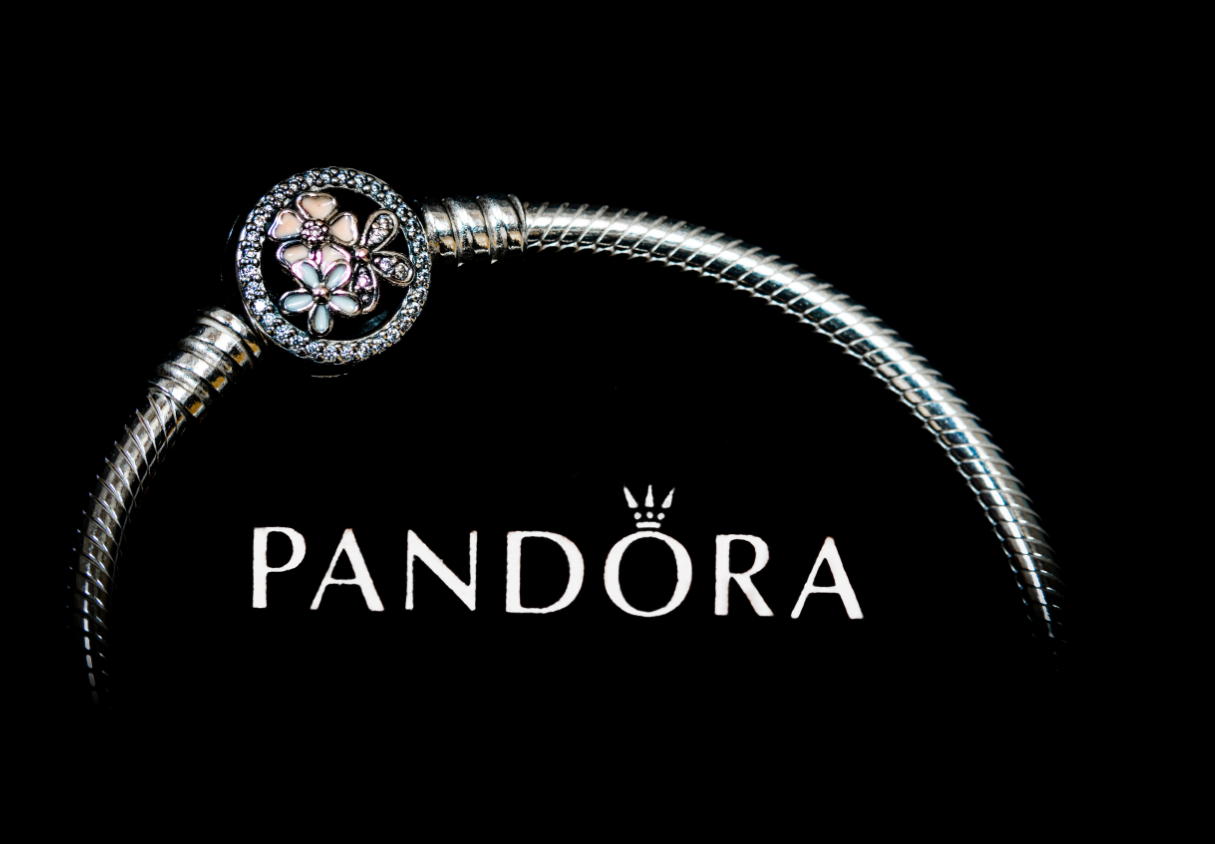
Pandora is a household name and one of the world’s largest jewellery manufacturers. This Danish jewellery maker is synonymous with high-street luxury and the classic look of its silver charms, bracelets, necklaces, and rings are instantly recognisable.
Despite the mile-long line we’ve all seen out of the doors from stressed husbands on Christmas Eve and February 13th, Pandora is not immune from economic impact and needing to make tough, brand altering decisions.
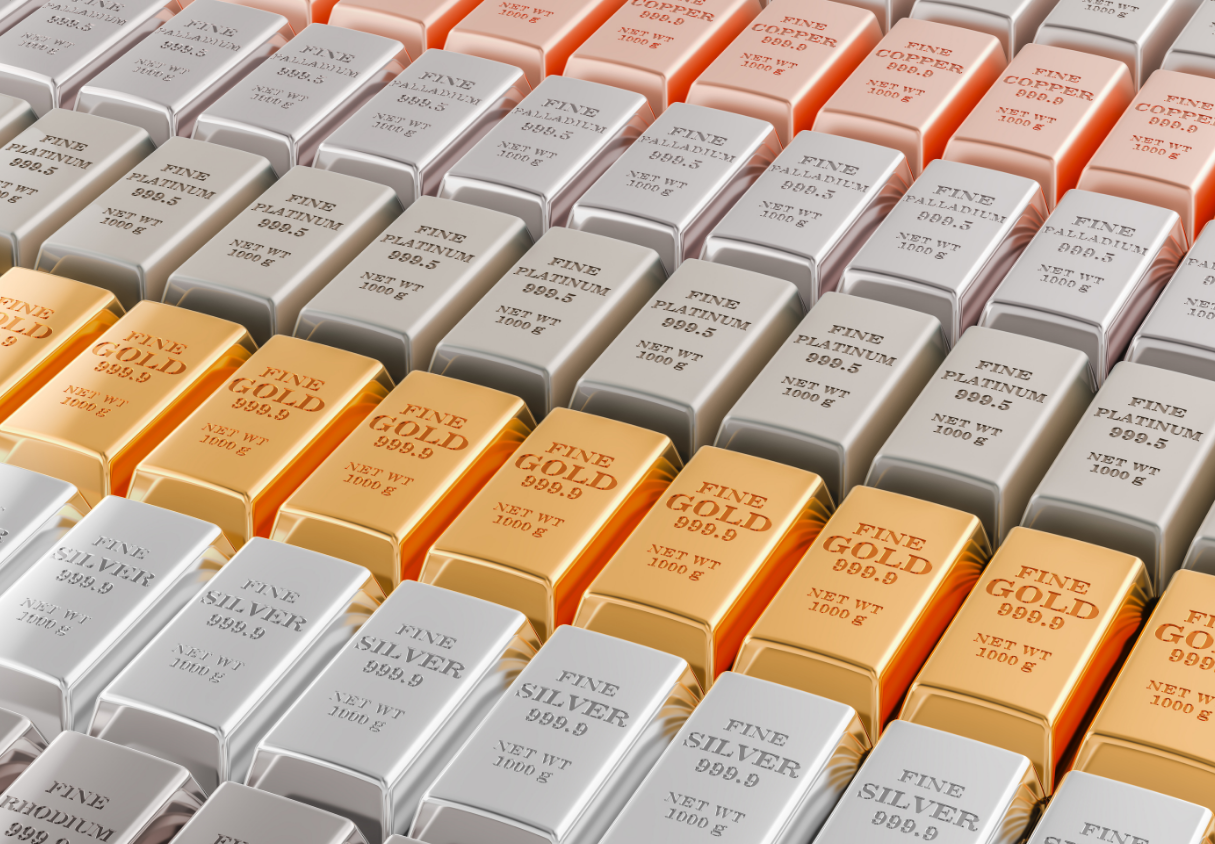
In case you didn’t know, the price of silver has been in increasing flux. In January 2026, silver hit a record high, driven by the political climate and high industrial demand.
In February 2026, Pandora announced that it is making a change. Pandora is leaving behind the classic silver for a new platinum alloy, promising the same aesthetic look with a more durable wear. But, why would Pandora change such a long-standing, iconic aspect of its business?
Read on for more on Pandora’s transition to platinum jewellery, what it means for a business to adapt, and what you can learn from Pandora’s big change…
Why Pandora Is Abandoning Silver: Market Forces and Material Costs
It’s safe to say that, for a brand with as much recognition and impact as Pandora, making a change this big cannot come lightly.
Over the last 5 years, the silver industry has had persistent supply deficits, increases in demand, and heightened investor interest from those wishing to back a sure thing. The price has been in constant fluctuation as a result. This is nothing new to silver, but the intensity of these fluctuations has been quick and heavy.
As you can see in this graph, there’s been an intense increase in the last year. In January 2025, the cost of silver per gram was roughly 75 pence. At the beginning of 2026, it was £1.75. By the end of January 2026, it was £2.60.
These prices have been felt by various industries and across the world. However, considering Pandora’s widespread activities and their business model, it’s not hard to imagine that this massive increase in price was affecting not only the companies ability to produce their product but also their profit margins.
Switching to platinum offers greater security from fluctuations, a similar aesthetic, and potentially even an improved customer experience, since platinum is a stronger metal.
Lessons in Adaptability: What Businesses Can Learn from Pandora
It’s not hard to imagine the decision to alter business practices that have lasted since 1982 was incredibly difficult. Pandora’s brand identity is heavily tied up in the look of its jewellery, after all.
It poses an interesting question. What is a business to do when the very core of their business is under threat? Many business owners would have dug their feet in. They would have eaten costs, reduced profits, closed shops, or taken even more drastic measures to preserve the products that have created such success.
Pandora, however, took a new approach. It remains to be seen exactly how this platinum pivot will impact Pandora as a whole. Will customers return? Will this bring in new custom? How does a business with such a loyal customer base pivot without alienating their biggest fans?
So, what can businesses learn from Pandora?
Pandora’s Silver To Platinum Strategy
Here are some key takeaways from Pandora’s big announcement…
When the Market Shifts, Standing Still Is a Risk
An important aspect to consider in this shift is the speed with which Pandora has acted. Yes, the last year has seen spikes and consistent increases in the price of silver. However, the majority of the intense increase has occurred in 2026. Pandora made the decision to shift quickly, when a lot of competitors are likely waiting to see what happens next before making a move.
Making Difficult Decisions Before They’re Forced
By acting so quickly, Pandora has anticipated the decision they may have been forced to make in just a few months time. Instead of making a rushed decision, they were able to make a calm statement, directly addressing the customer. Instead of acting reactively, this decision has been entirely strategic. They have taken power back from a volatile situation.
Protecting the Brand Without Clinging to the Past
By acting quickly and before the decision was forced, Pandora has also protected their brand. They did not wait until silver prices made their products unaffordable or ruined their margins, they controlled the narrative.
By taking control, they protected their customer base. They maintained loyalty, reduced potential fallout, kept quality, and the entire practice was transparent. This matters for luxury brands.
Brands aren’t defined by never changing. They’re defined by their essence and their service. Pandora has chosen to preserve its aesthetic, its accessibility, and its emotional connection with customers, without being shackled to the material that built its early success.
Long-Term Thinking in a Short-Term Market
Ultimately, Pandora has encountered a worst case scenario and handled it proactively, with grace, and kept their customers engaged.
In a market that often rewards short-term wins, this is a long-term play. It’s a move designed not just to weather the current storm, but to future-proof the business for the years ahead.
Pandora didn’t wait for perfect certainty. They acted on the information they had, accepted a degree of risk, and moved forward decisively. That willingness to act without absolute clarity is often what separates resilient businesses from those left scrambling.
Where Can Business Get Their Next Big Insight?
Making big, calm decisions in the way Pandora has comes from many things. It comes from an earnest belief in the product. It comes from experience. It comes from understanding that protecting a business sometimes means letting go of the way things have always been done.
By relying on the goodwill their brand has built over decades, Pandora was able to pivot before disaster forced its hand. They didn’t deny reality. They didn’t wait it out. They adapted.
For other businesses, the lesson is simple. Markets will shift. Costs will rise. External pressures will appear without warning. Resilience isn’t about avoiding these moments. It’s about recognising them early and having the confidence to change course when it matters most.
Pandora’s shift from silver to platinum isn’t just a change of material. It’s a reminder that adaptability isn’t a weakness. It’s often the very thing that keeps a business alive.
Find More Insights With The Business Show
Our annual newsletter keeps you up to date with The Business Show and all the latest news. Our industry newsletter, The Business Show Insider, provides unique industry expertise and advice for businesses who sell to SMEs. For free insights and advice you can use to take your brand to the next level, subscribe to our newsletters.