



Small Business Grants in 2026: The Complete UK Funding Guide for Startups and SMEs
What Grants Can Small Businesses Apply for in 2026?
Securing a grant for your small business or start-up is definitely challenging. There’s finding the opportunity, ensuring it’s the right one for you, and then securing the actual funding. Plus, you have to do all of this whilst managing the other parts of your business and daily life. The entire process can definitely be difficult and take some time, but if a grant could change things for your business, then having some ideas of where to get started could be instrumental to how your business grows.
Read on for more information on a range of grants and initiatives for small businesses that are available for SMEs in 2026.
UK Small Business Grants for 2026
Start Up Loans Scheme
The British Business Bank’s Start Up Loans Scheme remains an important government‑backed funding route for early‑stage businesses. This scheme is designed to help small businesses start trading. Whilst this is a loan rather than a non‑repayable grant, it offers up anything from £500 to £25,000 per founder. It is also unsecured, meaning you don’t have to utilise your house or an asset for security.

Additionally, when applying for this loan, you can be connected with a dedicated business advisor. You may also receive up to 12 months of free mentorship. It is an extremely helpful route for businesses and one of the more easily accessible options for early stage entrepreneurs.
Apprenticeships
Employers in England can receive a grant of £1,000 for taking on an apprentice aged 16 to 18 or 19 to 24 with an Education, Health and Care Plan. This opportunity has even more possibilities for SMEs, who can both receive this grant and have all training costs fully funded for these employees. This means SME owners can benefit from an apprentice, nurture a young professional’s development, and benefit financially. Find out more on the GOV.UK website.
Innovate UK Business Growth
Innovate UK Business Growth is Innovate UK’s national business growth and scaling service. They are one of the main sources of government backed funding for innovative small businesses looking to scale. They want to invest in businesses that drive economic growth and technological advancement, encouraging SMEs to make strategic choices. These can vary widely in award size, eligibility and sector focus, so businesses should check current offerings and deadlines on the official Innovate UK website and grant portals. Discover more here: Innovate UK.

Local Growth Hubs
Across the UK, there are local growth hubs linked to counties. Find your local growth hub here. These hubs predominantly offer free advice, local support, and assistance with making both local and regional connections. However, they can also be useful in helping small businesses find and access grants and loans in their local area. The support offered by growth hubs could be beneficial to SMEs both in the short and long term, well worth exploring further. Additionally, they’ll be one of the first port of calls for council-specific small business funding.
Young Entrepreneur Funding
For entrepreneurs between the age of 18 and 30, the King’s Trust Enterprise programme is an option to consider. They’ve already helped over 90,000 young professionals with free workshops, 1:1 support, and the tools to strengthen your business practices. Additionally, there are funding opportunities linked to the programme, making this an excellent all-round opportunity to consider.
Grant Directory For SMEs
Find available grants for businesses through GOV.UK’s directory. Through this, you can filter your search by type, business stage, industry, employee count, and region, helping you speed your search and get closer to finding the right grant for your small business.
Now you have an idea of what small business grants are out there, you may be wanting to know a little more about the process of applying for a small business grant.
How to Qualify for a Small Business Grant in 2026
Qualifying for a grant will heavily depend on you and your business. Be sure to thoroughly check the eligibility criteria before making an application. Applying for a grant you don’t qualify for will only waste your time.
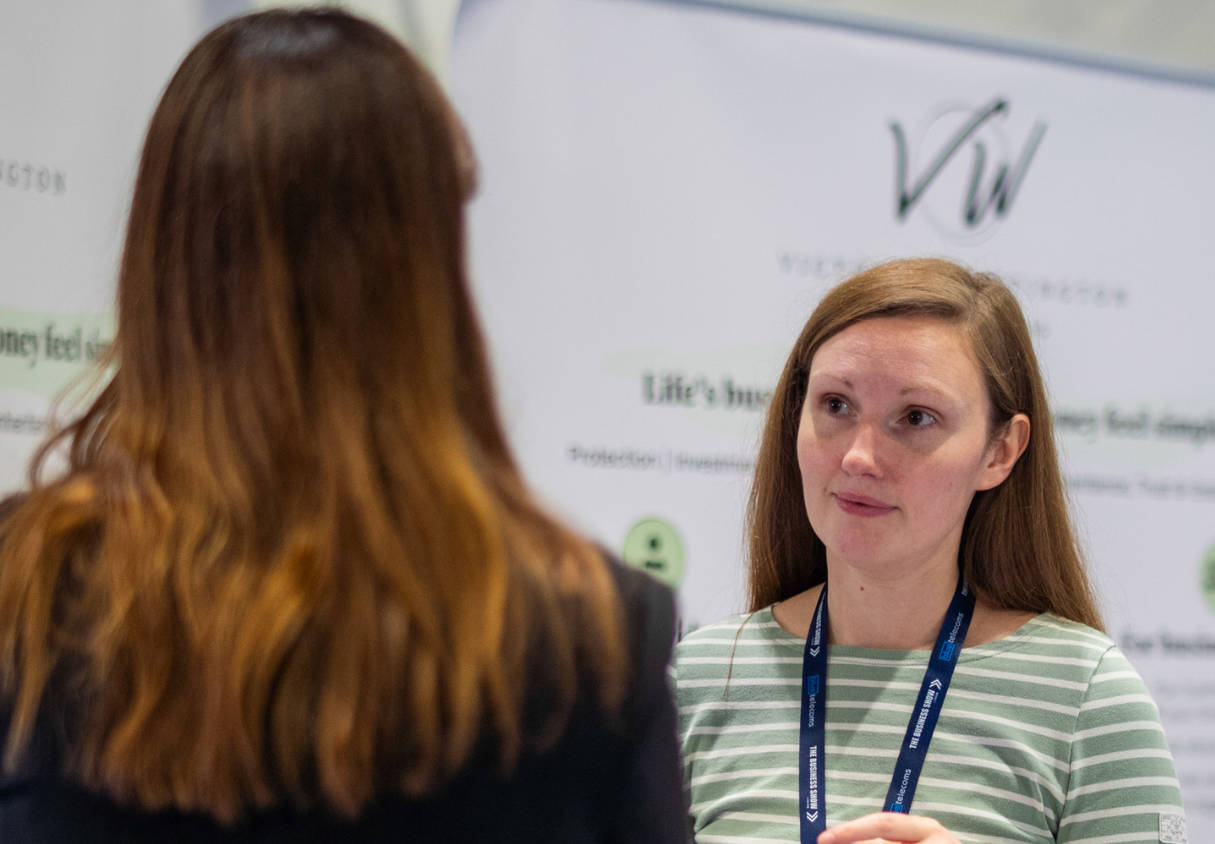
When you understand that you do qualify for a business grant, you will need to have an understanding of your business plan, financial projections, project overview, and an explanation of the impact of the grant funding and how it will be used to create economic or sector impact. Funders want to see clear value, innovative potential, and realistic projections.
How to Write a Successful Grant Application
Your application will be the deciding factor on your success.
Making sure you have a clear, concise business plan that explains what you’ll do, how you’ll do it, and what outcomes you expect is essential. Tailor your business plan to align with the objectives of the business grant you’re applying for.
Demonstrate realistic financial forecasting and break down how funding will be spent. Transparent budgets and justification of projected outcomes make your application stronger. Not to mention, it’ll help you optimise the funds if you are successful in acquiring the grant.
Be sure to avoid overly generic language and thoroughly proofread your application. Ensure all eligibility criteria are explicitly addressed and double‑check submission details. Errors or missed criteria can lead to automatic rejection.
Upcoming Opportunities at The Business Show London 2026
The Business Show London 2026 will take place on the 11th & 12th of November at Excel London. Attending won’t guarantee you extra funding, but it is completely free. With access to exhibitors, panels, seminars, speakers, keynotes, masterclasses, and networking events, you can take home valuable information and connections completely for free. Make visiting, or exhibiting, a part of your 2026 business strategy and make sure to save the date!