)
)
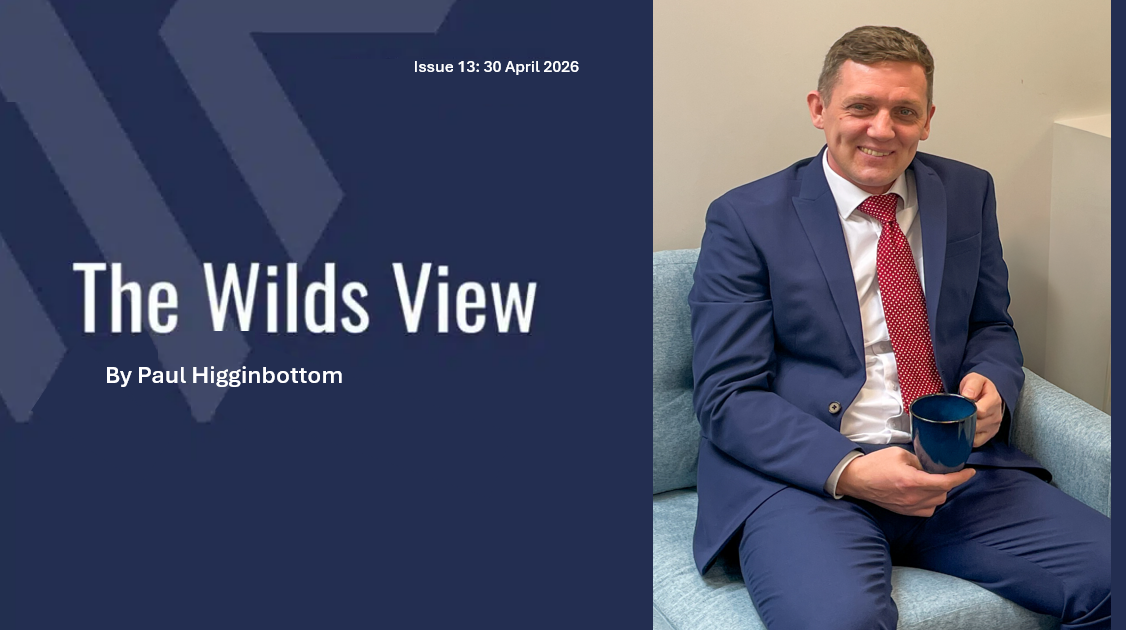
Wilds View: Making Tax Digital – Getting Ahead, Not Playing Catch‑Up
After years of discussion, delay and speculation, Making Tax Digital for Income Tax has now become a reality for many business owners. From April 2026, sole traders and landlords earning over £50,000 are required to keep digital records and submit quarterly updates to HMRC. For some, this feels like another layer of compliance. But viewed properly, Making Tax Digital represents a wider shift — not just in how information is submitted, but in how businesses understand and manage their finances throughout the year. Moving Away from the Year-End Rush Traditionally, tax has been dealt with retrospectively. Records are often pulled together months after the event, deadlines loom, and decisions are based on historic information rather than current reality. Quarterly updates change that dynamic. Your numbers are reviewed throughout the year, not months after the fact, giving you a clearer picture of your position, earlier warnings if something isn't right, and more time to make informed decisions. It encourages a more proactive approach, rather than reacting once issues have already developed — putting you firmly back in control. Why Early Engagement Makes a Difference The technical requirement of Making Tax Digital is relatively straightforward: digital records and quarterly submissions using compatible software. The greater challenge lies in changing habits. Businesses that already keep regular, up-to-date records are finding the transition far smoother. Those relying on last-minute bookkeeping often find the increased frequency exposes inefficiencies that were previously hidden. The sooner systems and routines are established, the easier MTD becomes — both now and in future years. More Than a Compliance Exercise While driven by regulation, the real value of Making Tax Digital lies in better information. More accurate, up-to-date records allow for clearer conversations around cash flow, tax planning and decision-making. Surprises at the year-end become far less likely, and planning becomes more meaningful. In that sense, MTD is less about reporting for HMRC and more about understanding your business with greater clarity.
Our Role at Wilds At Wilds, our focus has always been on helping clients stay ahead rather than catch up. Making Tax Digital fits naturally with that approach. Our role is to ensure systems are appropriate, processes are workable, and reporting feels manageable — not overwhelming. With the right support in place, compliance becomes part of the background rather than a source of pressure. Looking Ahead Making Tax Digital is here to stay, with thresholds reducing further in the coming years. Those who treat it as an opportunity to tighten processes and understand their numbers better will gain far more than simple compliance. As with most things in business, the benefits come not from reacting under pressure, but from taking a considered, forward-looking approach. If you're unsure how Making Tax Digital affects you, or want reassurance that you're set up correctly, that conversation is worth having sooner rather than later.
)